How a lunch break in London returned me to this female artist’s layered, luminous world
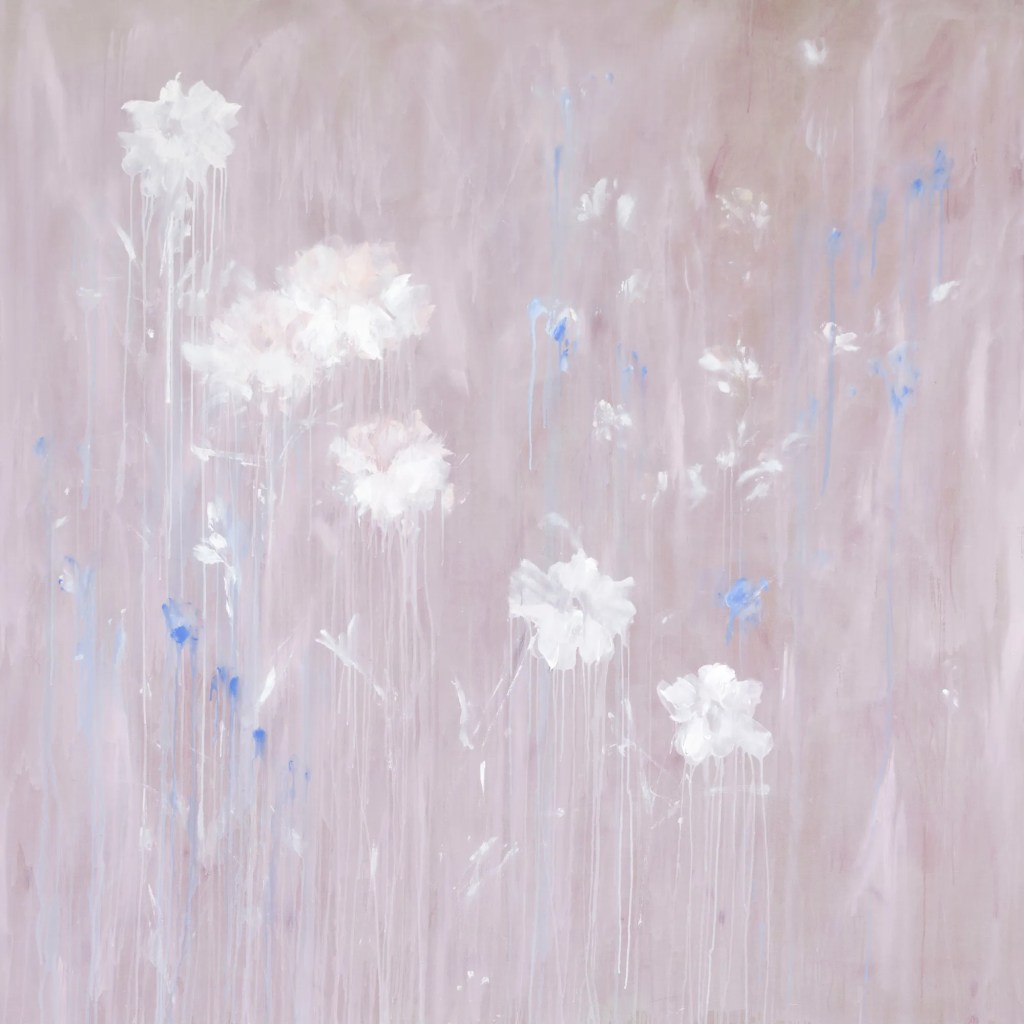
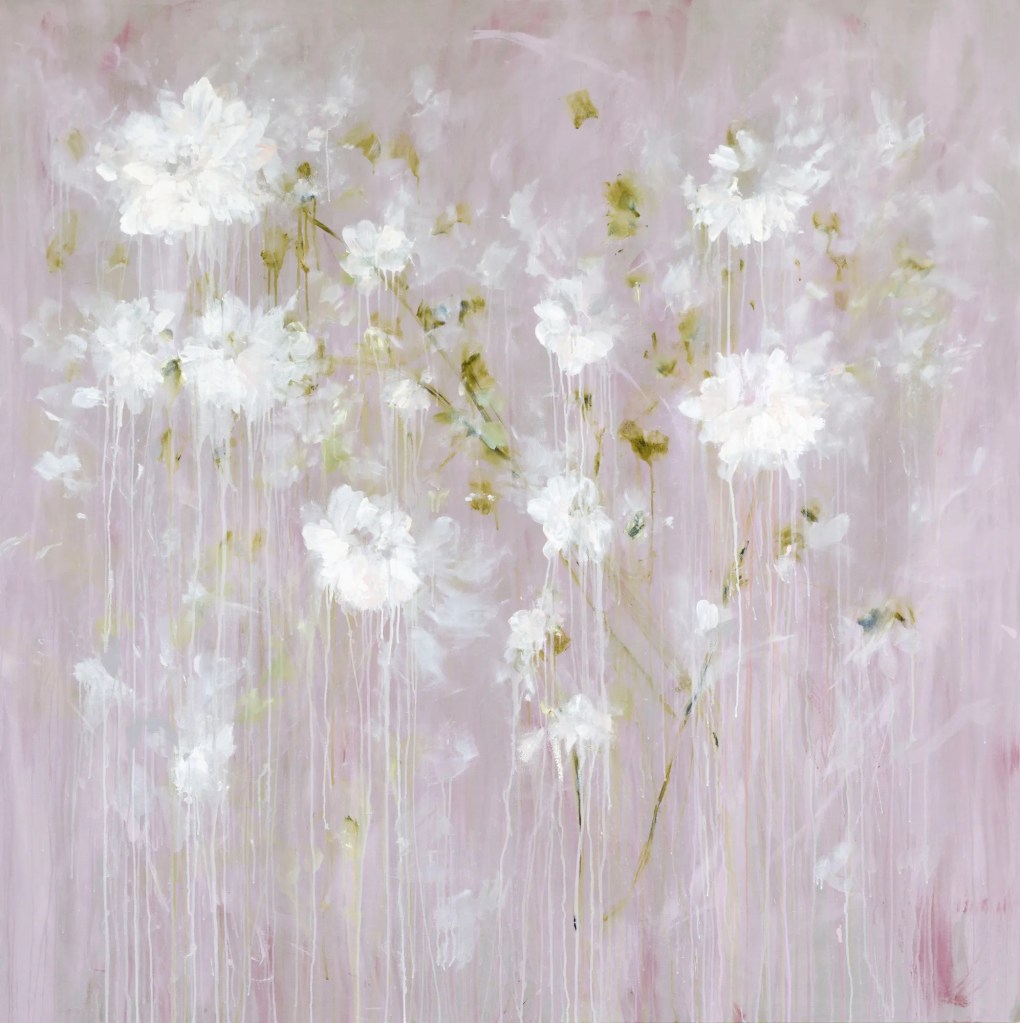
Around a year ago, somewhere between the end of February and the beautiful prospects of spring and sunshine that come when March finally makes an appearance, I was around central London doing one of my favourite things – gallery hopping – and found myself on Cork Street in Mayfair. I was lucky enough to be there at the exact right time, for I discovered the wonderful artistic world of Margate-based artist Bianca Raffaella in her show Faint Memories; a collection of evocative and emotional textural flower paintings that, being rightly exhibited at Flowers Gallery, left a very remarkable memory – far from faint – in my head.
Now, a year later, after another very long, wet and dark winter, I have the privilege of being able to spend my lunch break in the always inspiring Art Academy in Bankside. I headed there last week after passing by their inviting big windows on my way to work and making a mental note to return during my midday break. Little did I know I would be straightaway starstruck when, upon entering the doors, I saw those fantastic words written on their exhibition intro wall: Bianca Raffaella.
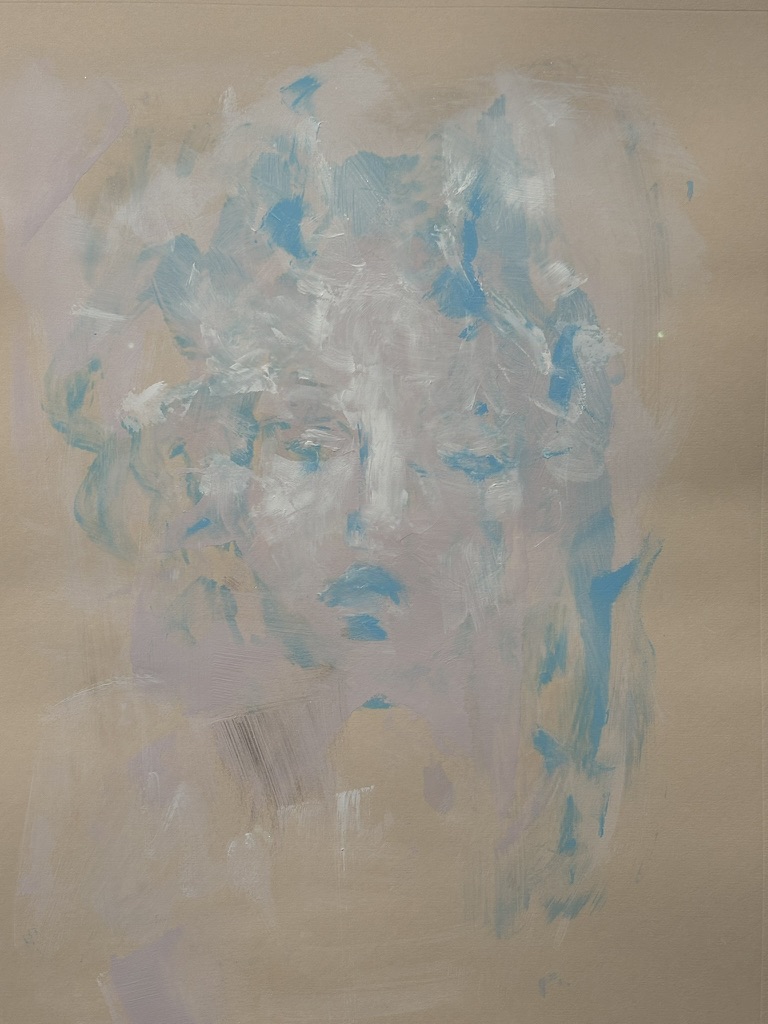
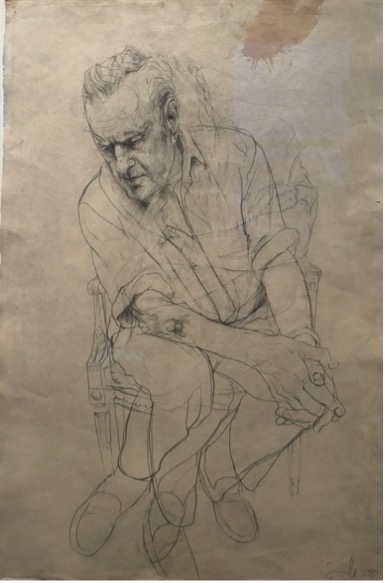
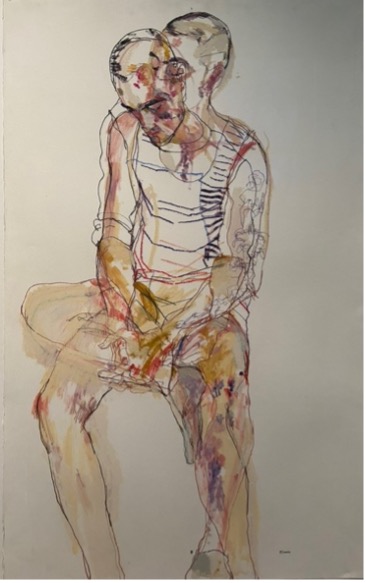
On view from 25 February to 8 March 2026, The Women in Art Prize Exhibition celebrates Rafaella’s recognition as the Overall Winner of the 2025 prize and brings together a powerful selection of her recent works. Set within the light-filled, minimalist exhibition space of the Art Academy, the exhibition centres on her expressive monoprints and large-scale portraits from Just Out of Reach and She Cannot Fade (both 2025). Alongside these elating, gestural works, eight delicate white-on-white relief pieces introduce a quieter, tactile dimension; reinforcing Rafaella’s ongoing exploration of perception, memory and the shifting nature of sight.
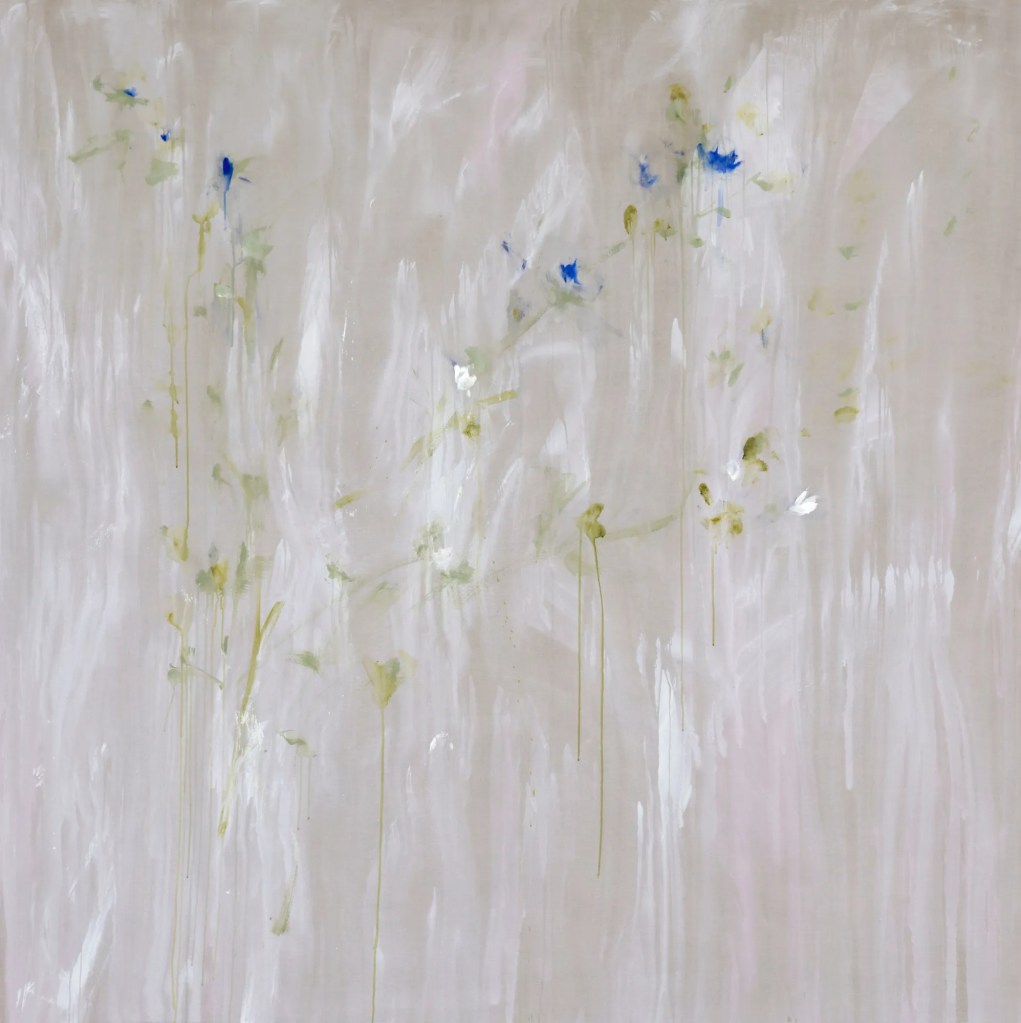
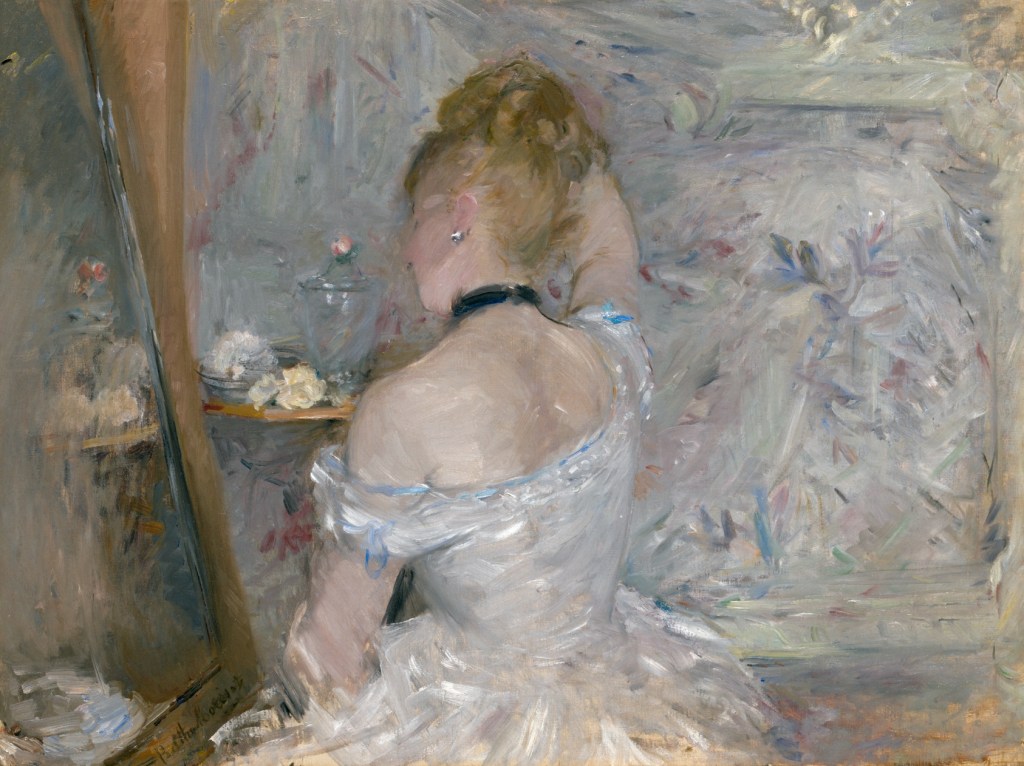
My first encounter with Raffaella’s work stayed with me due to its ethereal, spontaneous, almost nostalgic nature. The paintings in Faint Memories take shape with layers of muted pinks, washed lilacs, chalky whites and softened greens, which depict in an abstract yet slightly botanical way, soft images of flowers with thin stems, more suggested than defined. In particular, the works Fading Flora and Murmurous Shadows (both 2024), with soft touches of delicate blue, caught my eye, evoking Woman at Her Toilette by the female Impressionist Berthe Morisot. And it was precisely this colourful detail that made me connect the dots immediately the moment I walked into Raffaella’s current exhibition in Bankside.
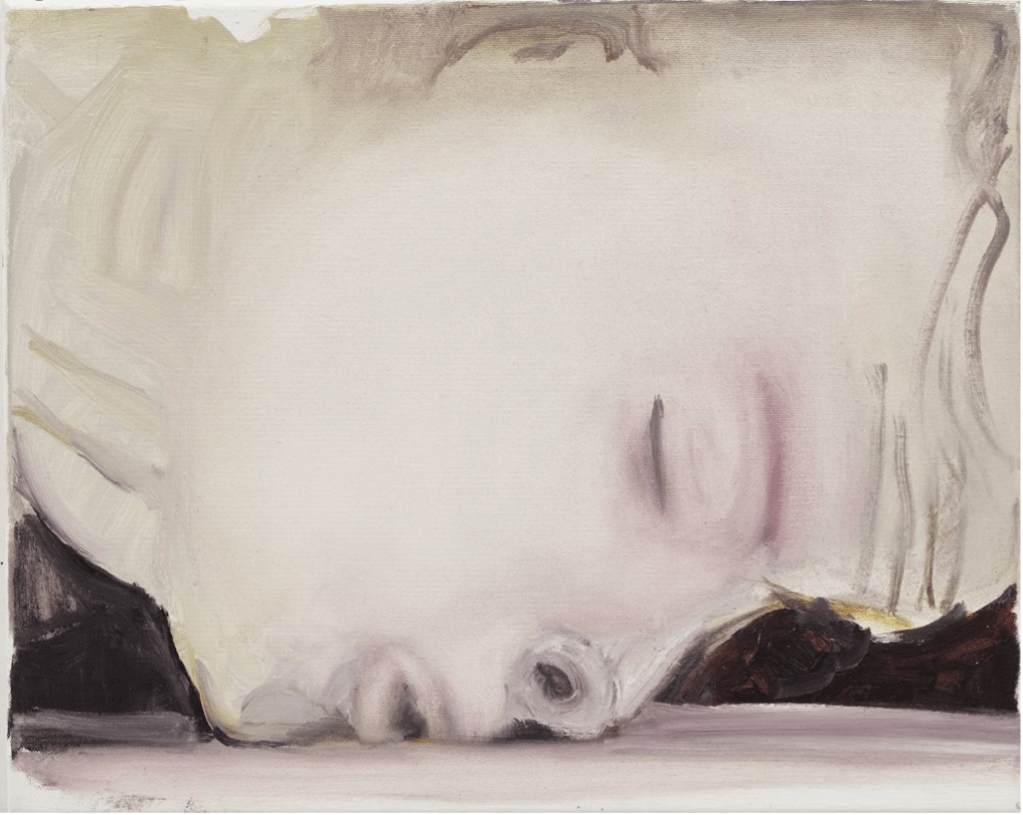
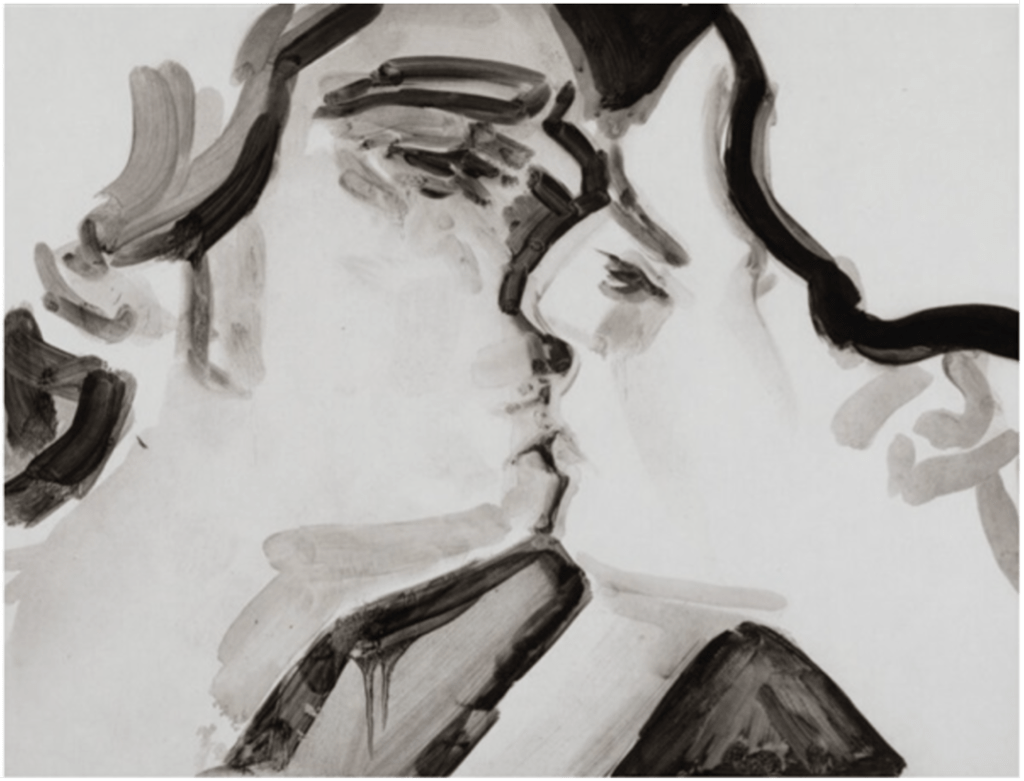
Prints such as Echoes of Disorientation and Invisible in a Crowded Room (both 2025) retain the elusiveness of the artist’s relatively abstract approach to painting, while remaining perfectly clear. Her collection of portraits reveals different degrees of detail, with hardly-there strokes of paint and texture that create wonderfully intimate images.
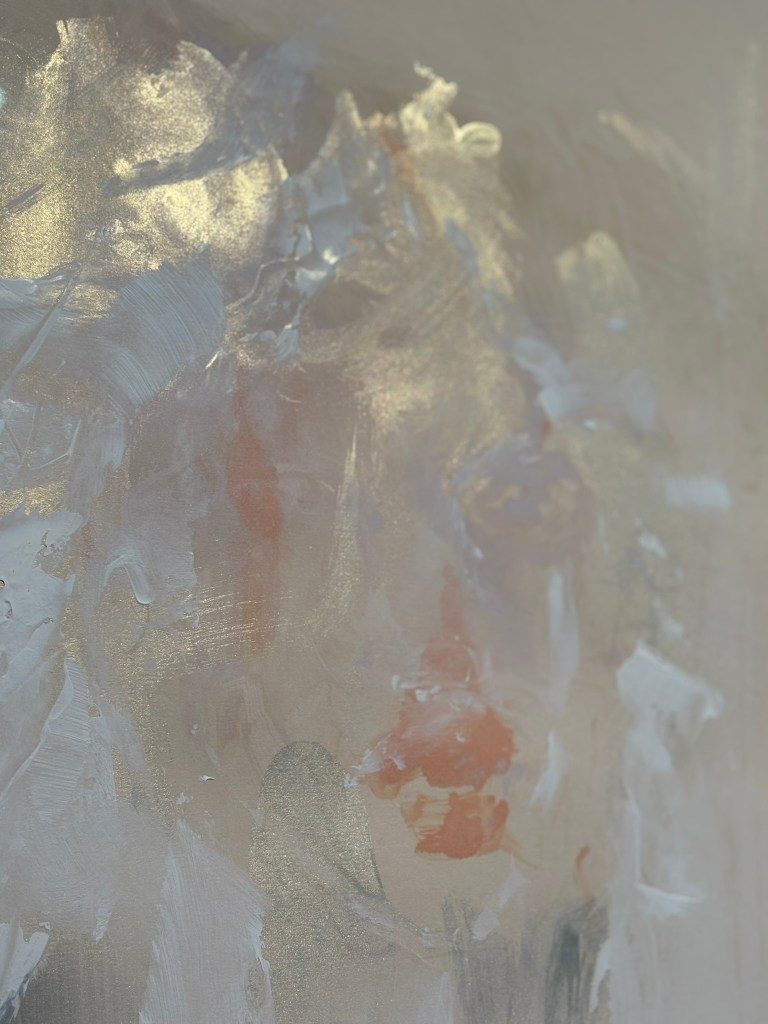
The soft details of gold and silver in some of the prints, like Childlike Wonder (2025), at times evoke that romantic image of mythical nature deities and remind me of the mastery of shining pigments and the natural world by US-based artist Katie Rogers, which I have followed for decades.
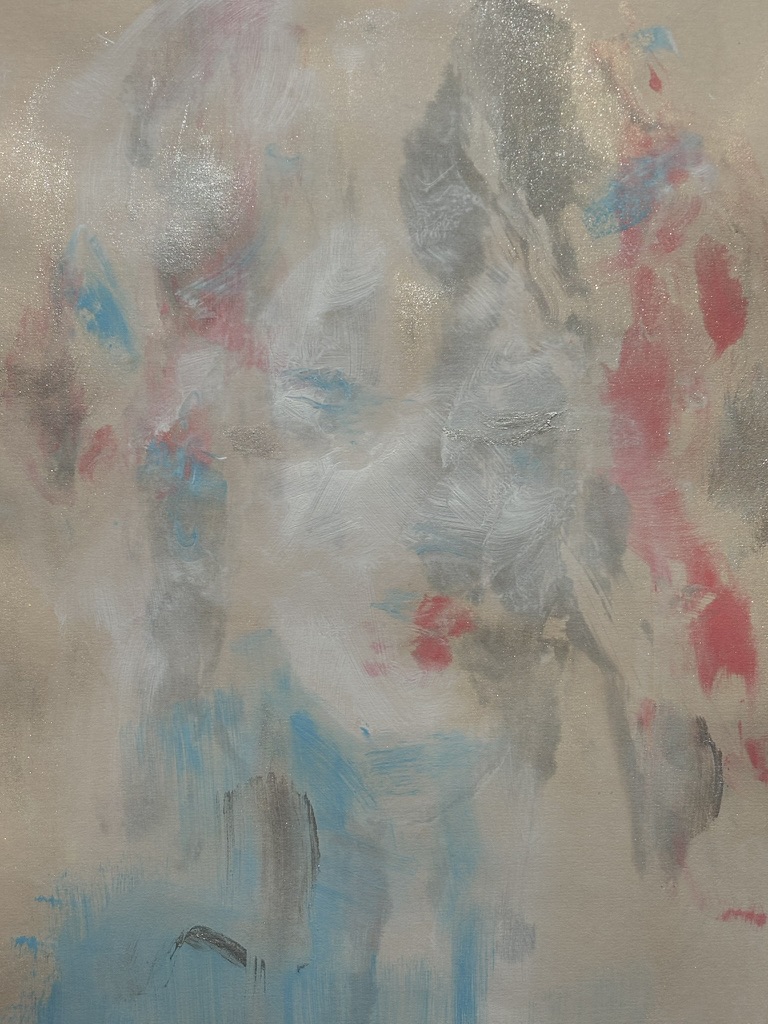
While Rafaella’s practice also includes a more expansive use of colour and adventurous brushstrokes, as well as less abstract representations, it is her proficiency at using chalky whites and faded hues that has attracted me from the beginning. It is also what has made an enduring impression on me, staying with me in each encounter with her work.
In her own words, this line from the video on display at Art Academy in Bankside summarises the emotion of the experience perfectly: “Sometimes I can just allow myself to feel”. And perhaps that is precisely why encountering her work once again, just as winter begins to give us a break and I can see the first buds of my light pink camellia blooming, feels so fitting. A year after discovering her on Cork Street, the memory is no longer faint. In fact, it reminds me why I continue to seek out those quiet, luminous moments hidden behind gallery doors.
The Women in Art Prize Exhibition at Art Academy in Bankside is open and free to visit until 8th March 2026, closing on International Women’s Day with a special 1pm conversation with Bianca Raffaella.
If you don’t have the chance to see it, you can find more images from the exhibition on my Instagram.

 Words on Art