Getting to see the sun in London is no easy feat. So when Helios makes an appearance and the temperature rises as much as to dare to get your bare arms out on a Saturday afternoon, Londoners know what to do: go to a terrace, meet up with some friends, have a cold brew, and get as much vitamin D as possible, before the clouds come back and the skins asks for the coats back.
And so yesterday, when I managed for the first time to leave the house without the constant fear of not carrying enough additional layers to cover up in the (very likely) event that the weather played its infamous dirty trick, I went out possessed by the sunlight to make the most of one of London’s coolest neighbourhoods: Walthamstow.
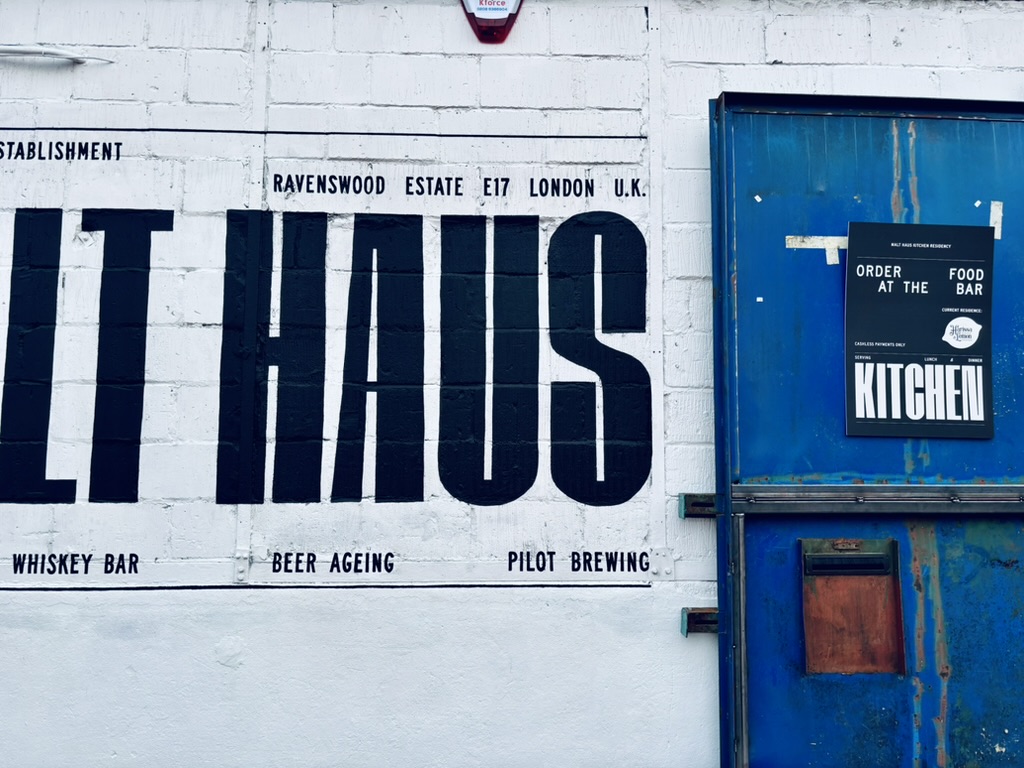
The chosen destination was a new venue, social hub and community space, near the local treasure of the E17 area, God’s Own Junkyard. Bursting with good vibes and chatting groups of East Londoners downing malt-based drinks and spicy margaritas on tap, The Malt Haus (@themalthaus) stands out for its 60s-70s design style, inspired by listening bars and cocktail lounges from that era.
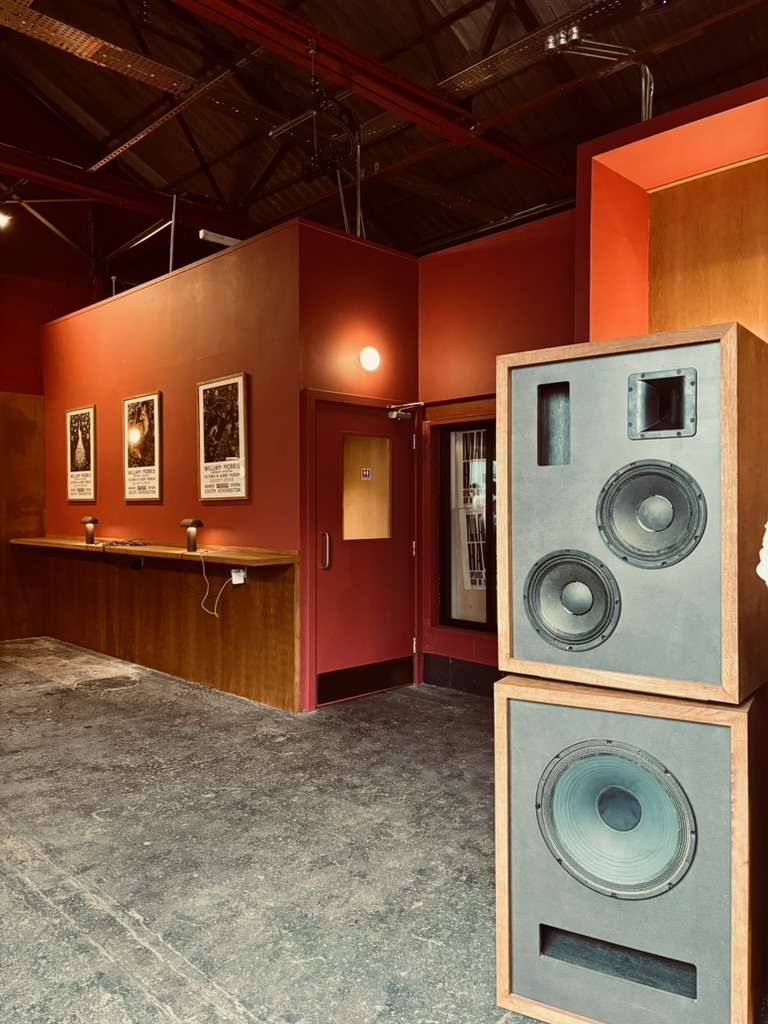
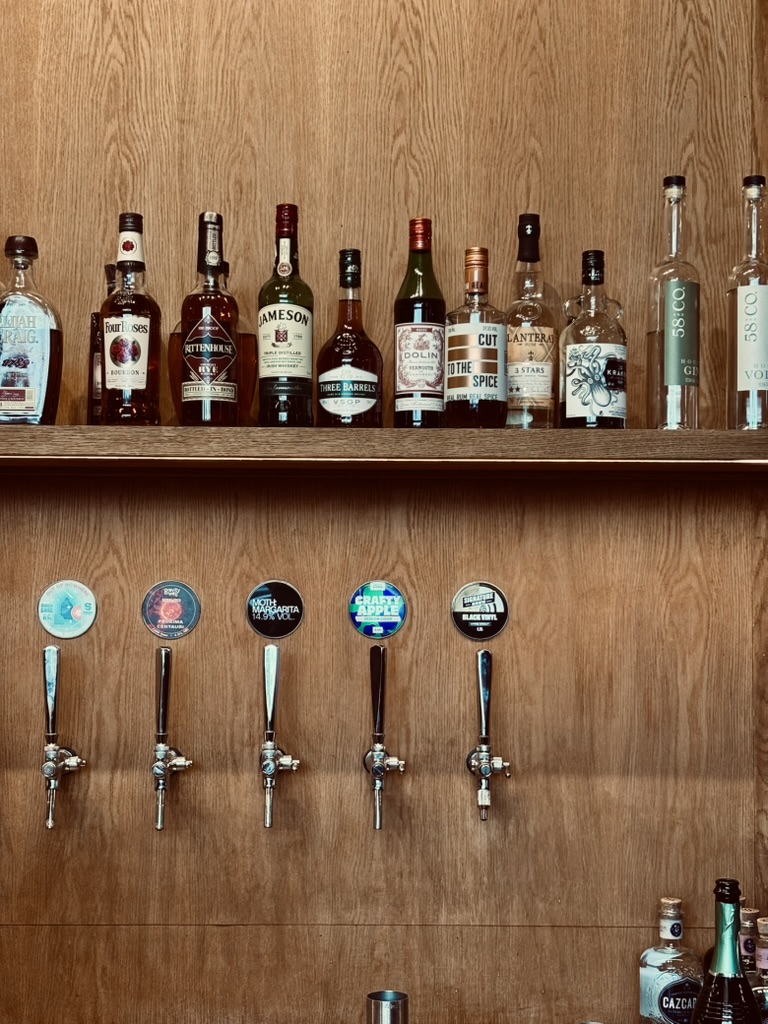
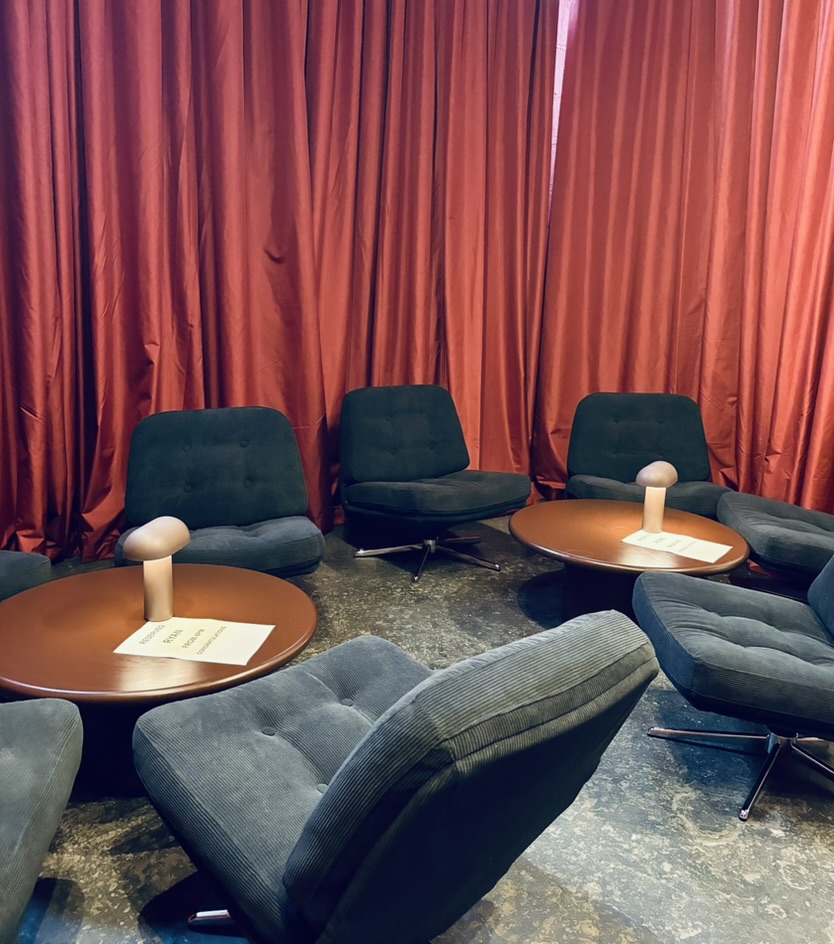
This welcoming spot from the Pillars Brewery team is set aglow with soft, dimmed lighting and framed by large wooden bookshelf speakers that frame the bar. Cosy, retro low-slung chairs invite you to sink in, while William Morris posters — a nod to the iconic Walthamstowian designer — keep the local spirit alive. A compact bar showcases a beautiful selection of whiskey bottles, ready to be poured by the friendly staff. There’s also a resident kitchen, which yesterday was manned by the Moroccan street food team from Harissa and Lemon (@harissanandlemon).
After enjoying a refreshingly delicious drink and winning a couple of rounds at the most addictive card game right now (Monopoly Deal) in their Biergarten-style tables, it was time to head back home. However, I will be looking forward to my next visit. A party in The Malt Haus’s 70s lounge wrapped in thick crimson curtains? Most likely. Can’t wait.
The White Lotus season 3 has got us theorising, speculating, and obsessing over eight episodes until its grand finale aired Sunday night, which has left some confused and some devastated. But beyond the characters, the plotlines, and the sheer luxury of it all, some scenes from this closing episode made me think of a few artworks, as refreshing as a cool glass of pina colada — minus the pong-pong fruit.
From Lee Krasner to Joan Mitchell, The White Lotus season 3 finale finds its emotional and visual echo in paintings by 20th-century female abstract artists. A bold crossover of pop culture and art history, from Thailand through the canvas to our screens.
The following article contains spoilers for The White Lotus season 3
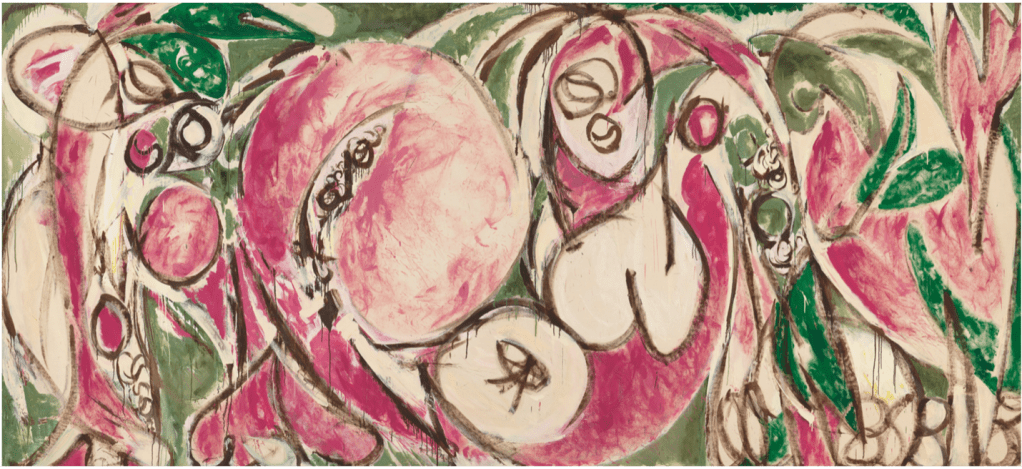
1. Lee Krasner – The Seasons (1957)
The Seasons (1957) by Lee Krasner
In her fantastic book The Story of Art Without Men, Katy Hessel opens her chapter on Abstract Expressionism with a quote by Lee Krasner: “Painting is not separate from life. It is one. It is like asking – do you want to live? My answer is yes.” Interesting that the painting of an artist so full of life would come to mind precisely in a scene where the question “Do you want to live?” doesn’t have such a clear answer as in Krasner’s case.
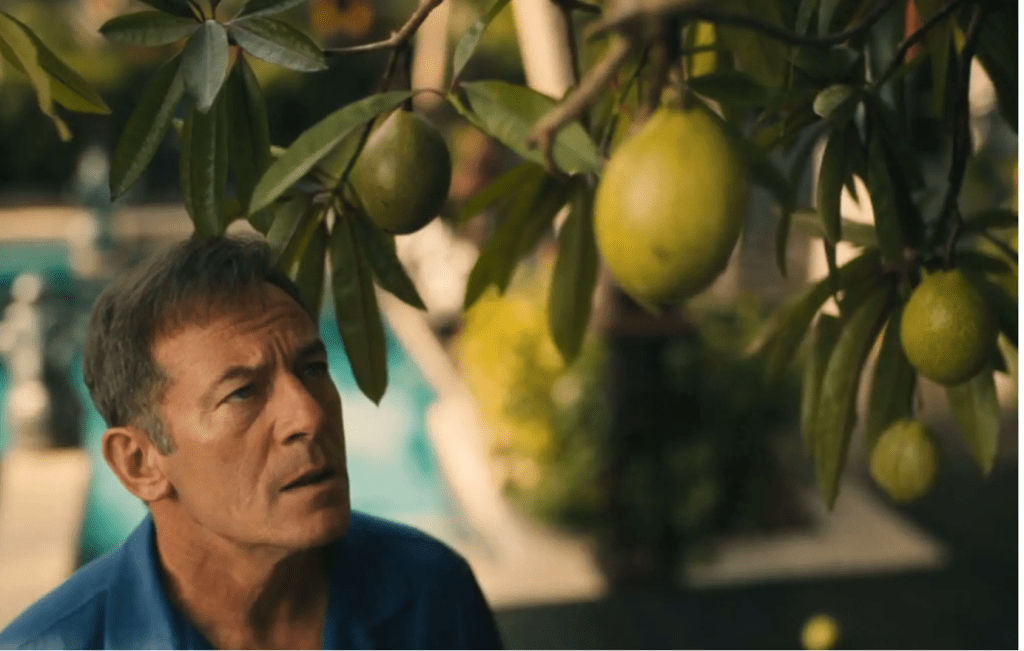
After a week of pure despair, Timothy Ratliff resources to picking some fruits from the pong-pong tree to extract the fatal seeds, blend them and mix them in the classic holiday beverage – pina colada – to poison his family and put an end to their (rather his) suffering. The Seasons (1957) by Krasner is a vibrant, sprawling abstract work that explores transformation and rebirth, in a depiction of nature and fruits in a colour palette of fuchsia, green, cream, and brown. Although in the HBO’s series scene the predominant hues are warm greens, limes and blues, I could not help but finding a distinctive similarity: a fresh and attractive image of a fruit with a deep hidden meaning. Indeed, the transformation of the Ratliff family after their “almost” spiritual retreat will be as throbbing as the energy of Krasner’s work.
Tim Ratliff (Jason Isaacs) prepares to pick some of the poisonous fruits from the pong-pong fruit in his private villa at The White Lotus resort. Photo by HBO.
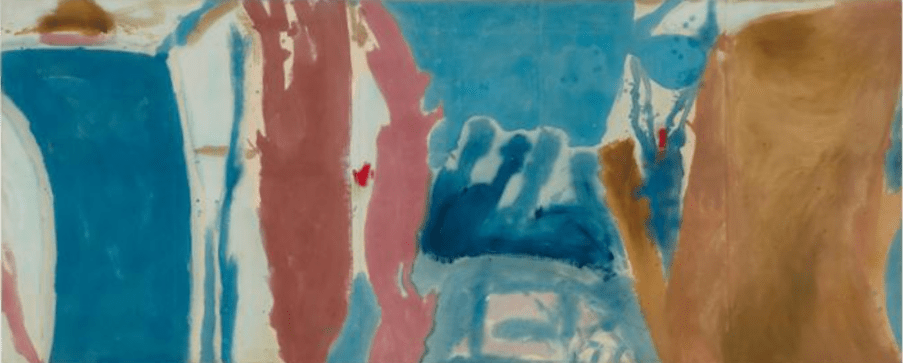
2. Helen Frankenthaler – Open Wall (1953)
Open Wall (1953) by Helen Frankenthaler
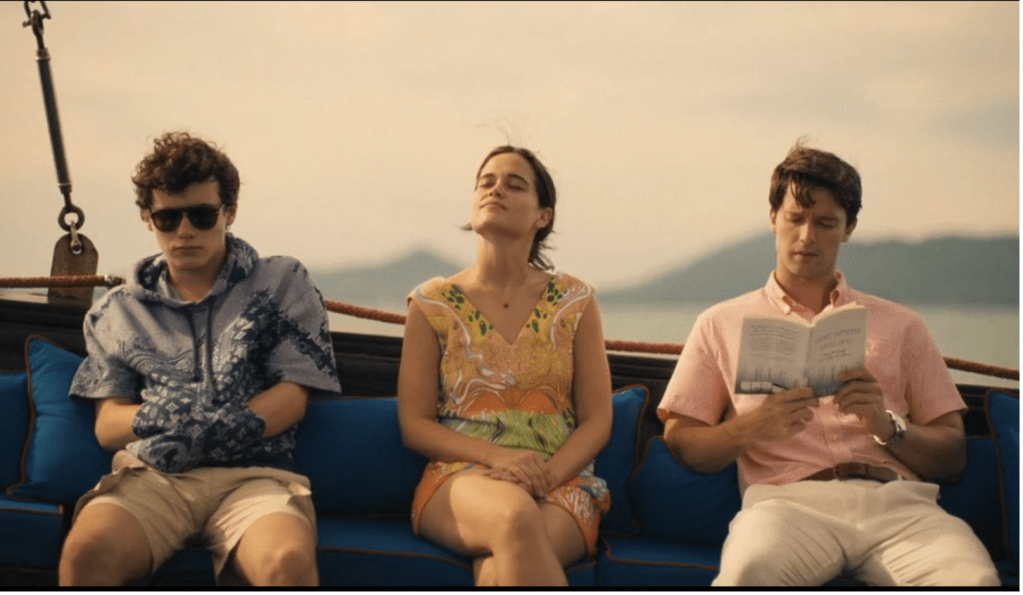
Pinks, blues, browns and creams. Warm and cold. Opposite places. An abstraction that looks serene on the surface — but its fluid, bleeding forms suggest inner instability. The Ratliff siblings have a transformative experience over the course of one week at The White Lotus, turning their perspectives and most immediate desires upside down.
The work in Open Wall (1953) by Abstract Expressionism and Colour Field artist Helen Frankenthaler captures a balance of control and improvisation, or as she puts it, “the interaction of spaces and the juxtaposition of forms”, which resonates with this last image of the Ratliff trio. Reflection, feelings and self-discovery surround the characters before life as they know it is doomed to change forever.
Lochlan (Sam Nivola), Piper (Sarah Catherine Hook) and Saxon (Patrick Schwarzenegger) set off in the boat after their life-changing stay at The White Lotus. Photo by HBO.
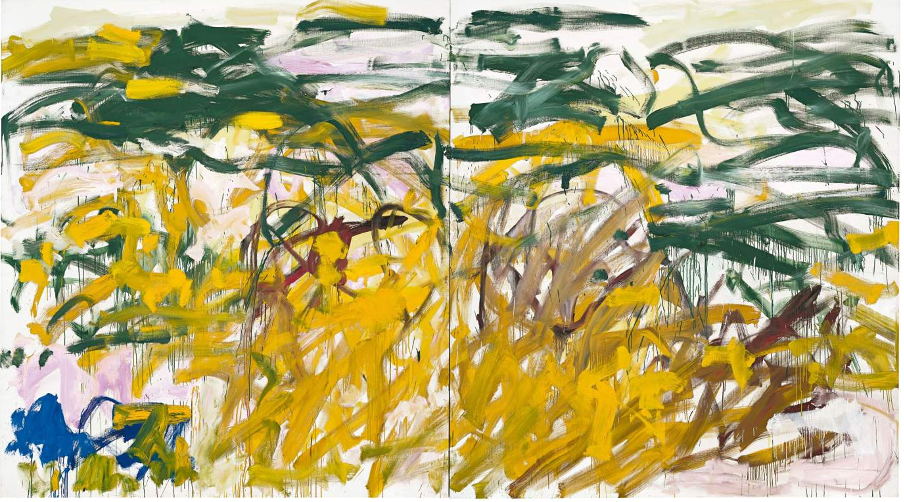
3. Joan Mitchell – No Birds (1987–88)
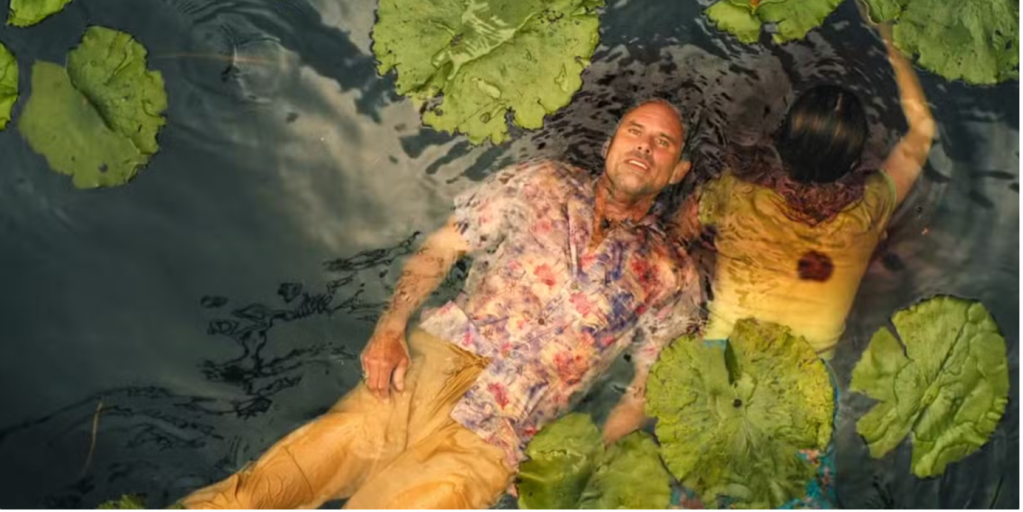
No Birds (1987-88) by Joan MitchellRick (Walton Goggings) and Chelsea’s (Aimee Lou Wood) tragic death scene in The White Lotus. Photo by HBO.
The powerful scene of Rick and Chelsea floating lifeless in the water, surrounded by water lilies, is as tragic as it is artistic. It seems to draw inspiration from the famous Pre-Raphaelite work by Sir John Everett Mallais Ophelia (1851-52) —a comparison that has not gone unnoticed on the media, as pointed out by Sarah Cascone in Artnet and Amelia Marran-Baden on Instagram.
However, this dramatic moment also made me think of yet another abstract artwork. No Birds (1987-88) is a monumental, emotional canvas by Joan Mitchell that exudes both mourning and release. A mix of colours and expressive, water-like strokes, full of beauty and tragedy, that mirrors perfectly this final scene of the couple on the water. The overall palette of Mitchell’s work matches the clothes, the water lilies and the blood hues mixing with the dark teal water in the tragic scene, while the colours of Rick’s floral shirt relate to the strokes on the bottom left-hand corner of the painting.
While the creator of The White Lotus, Mike White, has clearly referenced art history not only in this last one but also in previous seasons, I like seeing that we don’t have to travel too far back in time to find similarities between different forms of art. In this case, I have focused on Abstract Expressionism women artists. I can’t wait to find out what artistic references the fourth season of this beloved HBO show has in store next time.
 Words on Art